Ashwagandha vs. Rhodiola: Which Is Better for Stress?
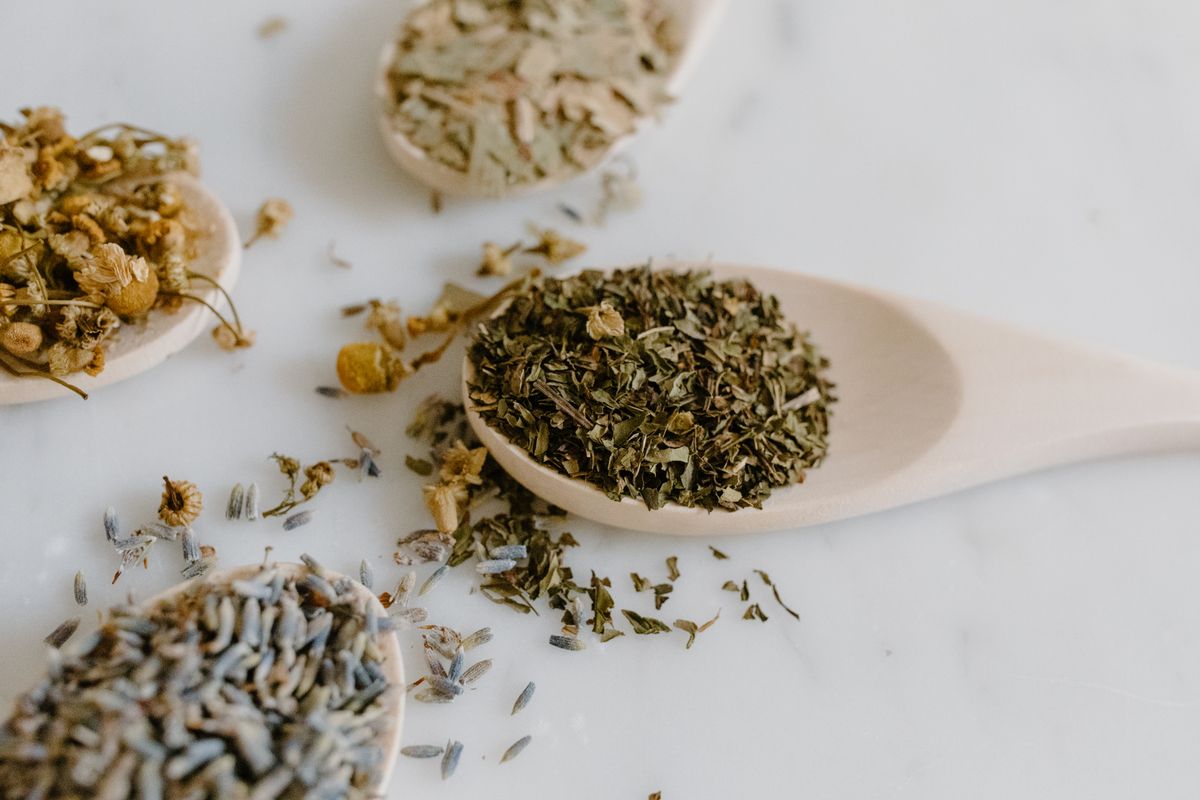
If you've spent any time researching natural approaches to stress, two names keep surfacing above the rest: ashwagandha and rhodiola.
These aren't trendy newcomers. They're two of the most clinically studied adaptogens on the planet, each backed by centuries of traditional use and a growing body of modern research. And yet, they work in genuinely different ways.
One calms. The other energizes. Ashwagandha is rooted in Ayurvedic medicine, prized for its ability to bring cortisol levels down. Rhodiola comes from the harsh mountain climates of Scandinavia and Siberia, where it earned a reputation for fighting fatigue and sharpening mental performance under pressure.
The question most people ask — "Which one is better?" — is actually the wrong question. The more useful question is: which one is better for you, given your specific stress pattern, symptoms, and goals? Let's break down what we know.
In this article
What adaptogens actually do
Not stimulants — stress regulators
Adaptogens help your body adapt to stress, not ignore it. They're a specific class of herbs and compounds that modulate the hypothalamic-pituitary-adrenal (HPA) axis — the central command system that governs your stress response.
They don't eliminate stress. They help your body process it more efficiently and recover from it more quickly.
How they differ from caffeine
Caffeine pushes your system into overdrive; adaptogens help normalize it. If your cortisol is too high, a well-chosen adaptogen can help bring it down.
If your energy and resilience are depleted, it can help restore them.
The mechanism is regulatory, not forceful — which is why adaptogens tend to have a favorable safety profile and why their effects build gradually over time.
What qualifies as an adaptogen
The criteria were established through decades of pharmacological research. Russian scientist Dr. Nikolai Lazarev defined the concept in the 1940s, and Dr. Israel Brekhman later formalized three requirements:
- Must be non-toxic at normal doses
- Must produce a nonspecific resistance to stress
- Must have a normalizing effect on the body regardless of the direction of the imbalance
Both ashwagandha and rhodiola meet all three criteria, which is why they consistently rank among the most credible options in the adaptogen category.
Ancient wisdom, modern validation
Today's randomized controlled trials are confirming what traditional medicine observed for centuries. Ashwagandha has been a cornerstone of Ayurvedic practice for over 3,000 years.
Rhodiola was used by Viking warriors and Sherpa communities for physical endurance and mental resilience.
Modern research is now measuring — with biomarkers — what these traditions already knew.
Ashwagandha: the calming adaptogen
Origins and traditional use
Withania somnifera, commonly known as ashwagandha or "Indian ginseng," is native to India and parts of North Africa.
Its name comes from Sanskrit — "ashva" (horse) and "gandha" (smell) — a reference both to the root's earthy aroma and to the traditional belief that it imparts the strength and vitality of a horse.
The clinical evidence for cortisol reduction
Ashwagandha is the single most studied adaptogen for lowering cortisol — and the results are remarkably consistent. The landmark study by Chandrasekhar et al. (2012) was a randomized, double-blind, placebo-controlled trial.
Participants who took 600mg of high-concentration ashwagandha root extract daily for 60 days experienced a 30% reduction in serum cortisol levels compared to the placebo group. They also reported significantly lower perceived stress and improvements in overall well-being.
A 2014 systematic review by Pratte et al. confirmed these findings across multiple trials, concluding that ashwagandha demonstrates consistent anxiolytic effects in human subjects.
How it works
Ashwagandha calms the HPA axis and supports GABAergic signaling in the brain. It reduces the overactivation of adrenal cortisol output while promoting a sense of calm without sedation.
The most clinically validated form is KSM-66, a full-spectrum root extract standardized to a minimum 5% withanolides — the bioactive compounds responsible for most of ashwagandha's effects.
Who benefits most
Choose ashwagandha if your stress manifests as internal tension. It's the better choice for people experiencing:
- Anxiety and emotional overwhelm
- Sleep disruption or racing thoughts at night
- Cortisol-driven weight gain, particularly around the midsection
- A "wired and tired" feeling
For a detailed look at the cortisol connection specifically, see our guide to ashwagandha for cortisol.
Dosing and timeline
The clinically effective dose is 300-600mg daily of KSM-66. It can be taken in the morning or evening.
Effects tend to build over four to eight weeks of consistent use, with the most significant cortisol reductions observed at the 60-day mark.
Ashwagandha in brief: If your stress feels like a constant hum of tension, anxiety, or overwhelm — and your body is showing it through poor sleep, cortisol belly, or emotional reactivity — ashwagandha is likely your starting point.
Rhodiola: the energizing adaptogen
Origins and traditional use
Rhodiola rosea, sometimes called "golden root" or "Arctic root," grows at high altitudes in the cold, mountainous regions of Scandinavia, Siberia, and Central Asia.
It thrives in some of the harshest climates on the planet — and that resilience appears to translate to its pharmacological effects. Scandinavian and Russian cultures have used it for centuries to combat fatigue and maintain mental clarity during long periods of stress.
The clinical evidence for energy and focus
Rhodiola's core strength is mental energy and cognitive performance under stress. A pivotal study by Olsson et al. (2009) examined individuals experiencing stress-related fatigue.
Rhodiola extract produced significant reductions in fatigue alongside improvements in attention, cognitive function, and overall quality of life — with effects appearing within the first week.
An earlier study by Darbinyan et al. (2000) demonstrated similar anti-fatigue effects during prolonged stress and sleep deprivation.
How it works
Rhodiola modulates key neurotransmitters — serotonin, dopamine, and norepinephrine. This is a meaningfully different mechanism from ashwagandha's HPA axis calming.
By supporting the activity and availability of these brain chemicals, rhodiola enhances focus, motivation, and mental stamina without the jittery overstimulation of caffeine. It helps your brain perform better even when your body is under load.
Who benefits most
Choose rhodiola if your stress manifests as depletion rather than tension. It's particularly well-suited for people experiencing:
- Burnout and chronic exhaustion
- Brain fog and difficulty concentrating
- Afternoon energy crashes
- Low motivation despite adequate sleep
- A general sense of running on fumes
Dosing and timeline
The clinically effective dose is 200-400mg daily, standardized to at least 1% salidroside. Take it in the morning — its energizing effects can interfere with sleep if taken later.
Rhodiola tends to work faster than ashwagandha. Many studies report measurable improvements within one to two weeks rather than the four to eight weeks typical of ashwagandha.
Rhodiola in brief: If your stress feels less like anxiety and more like depletion — persistent fatigue, mental fog, low motivation, or an inability to sustain focus — rhodiola addresses those cognitive and energy-related symptoms at the neurotransmitter level.
Head-to-head comparison
These are complementary tools, not competitors. When you lay ashwagandha and rhodiola side by side, the differences become clear — and so does the reason why framing this as a competition misses the point.
| Feature | Ashwagandha | Rhodiola |
|---|---|---|
| Primary action | Cortisol reduction | Energy under stress |
| Best time to take | Morning or evening | Morning only |
| Speed of effects | 4–8 weeks | 1–2 weeks |
| Best for | Anxiety, sleep, cortisol belly | Fatigue, focus, endurance |
| Dose | 300-600mg | 200-400mg |
| Tradition | Ayurvedic (India) | Viking / Traditional (Scandinavia) |
The fundamental distinction
Ashwagandha calms the HPA axis and directly lowers cortisol output. Rhodiola modulates neurotransmitters — serotonin, dopamine, and norepinephrine — to help the brain function better despite stress.
They target different stages of the same problem.
Upstream cause vs. downstream impact
Ashwagandha addresses the cause (too much cortisol). Rhodiola addresses the impact (fatigue, fog, depletion).
Your symptoms often point to which one you need more urgently.
But the real insight is that these two mechanisms don't compete with each other. They operate through separate pathways, which means they can work in parallel without diminishing each other's effects.
Key distinction: Ashwagandha calms the stress response at the hormonal level. Rhodiola strengthens your brain's ability to perform under stress at the neurotransmitter level. They work through different pathways, which is precisely why they complement each other so well.
Speed of relief matters too
Rhodiola works faster — noticeable improvements within one to two weeks. If you're in a period of acute burnout and need relief soon, that faster onset is meaningful.
Ashwagandha's deeper cortisol-modulating effects take longer to develop but produce more fundamental shifts in your baseline stress physiology over time. For many people, the ideal approach isn't choosing one — it's using both.

Why both together is ideal
Can you take both? Yes — and you probably should
There's a strong case that the combination is more effective than either one alone. The most common question after comparing these two adaptogens is whether it's safe to take both.
The answer, supported by both traditional practice and modern research, is yes.
They cover different sides of the stress equation
Ashwagandha addresses the root issue. Rhodiola addresses the lived symptoms.
- Ashwagandha — targets chronically elevated cortisol that disrupts sleep, drives belly fat storage, and keeps your nervous system in low-grade alarm
- Rhodiola — targets the fatigue, mental fog, depleted motivation, and afternoon crashes that make daily life feel harder than it should
When you support both sides simultaneously, you're not just managing stress — you're restoring the body's ability to handle it from the ground up.
What the research says about stacking
Complementary adaptogens can produce additive benefits. A comprehensive review by Panossian and Wikman (2010) in Pharmaceuticals examined adaptogens' effects on the central nervous system.
Combinations targeting different stress-response pathways showed enhanced efficacy compared to single-agent approaches. The key is that the adaptogens must work through genuinely different mechanisms — which ashwagandha and rhodiola clearly do.
What the combination feels like in practice
You get the calm without the drowsiness, and the energy without the overstimulation. Ashwagandha's calming, cortisol-lowering effect pairs naturally with rhodiola's energizing, focus-enhancing effect.
One takes the edge off the hormonal storm while the other lifts you out of the resulting fog. For women navigating chronic stress, that dual support can be the difference between barely coping and genuinely feeling like yourself again.
The full picture includes more than adaptogens
Adaptogens work best as part of a broader support stack. Pairing them with other evidence-based ingredients creates a more complete foundation:
- L-theanine — for calm focus
- Magnesium bisglycinate — for nervous system support and sleep
- Vitamin D3 — for immune regulation and mood
For a deeper exploration of how these ingredients work individually and together, see our full guide to the best supplements to lower cortisol.
Why the format matters
Powder-based delivery absorbs faster than capsules. The body begins absorbing active compounds in the mouth and stomach, often before capsules have fully broken down.
And the ritual of mixing a drink — the pause, the warmth, the intentionality — becomes a micro-moment of calm in itself. If you're curious about how this format fits into a broader stress-management routine, we wrote about the rise of adaptogen drinks and why they're gaining traction.
The bottom line: Ashwagandha and rhodiola aren't competitors — they're partners. One quiets the hormonal alarm system; the other rebuilds the cognitive energy that chronic stress depletes. Together, they cover the full arc of what stress does to your body and brain.
Why choose one? Hormoona contains both — 400mg ashwagandha KSM-66 and 300mg rhodiola rosea — plus L-theanine, magnesium, and vitamin D3.
Try Hormoona →Sources
- Chandrasekhar, K. et al. (2012). A prospective, randomized double-blind, placebo-controlled study of safety and efficacy of a high-concentration full-spectrum extract of ashwagandha root. Indian Journal of Psychological Medicine, 34(3), 255-262.
- Olsson, E.M. et al. (2009). A randomised, double-blind, placebo-controlled, parallel-group study of the standardised extract SHR-5 of the roots of Rhodiola rosea in the treatment of subjects with stress-related fatigue. Planta Medica, 75(2), 105-112.
- Panossian, A. & Wikman, G. (2010). Effects of adaptogens on the central nervous system and the molecular mechanisms associated with their stress-protective activity. Pharmaceuticals, 3(1), 188-224.
- Darbinyan, V. et al. (2000). Rhodiola rosea in stress-induced fatigue — a double blind cross-over study of a standardized extract SHR-5 with a repeated low-dose regimen. Phytomedicine, 7(5), 365-371.
- Pratte, M.A. et al. (2014). An alternative treatment for anxiety: A systematic review of human trial results reported for the ayurvedic herb ashwagandha (Withania somnifera). Journal of Alternative and Complementary Medicine, 20(12), 901-908.